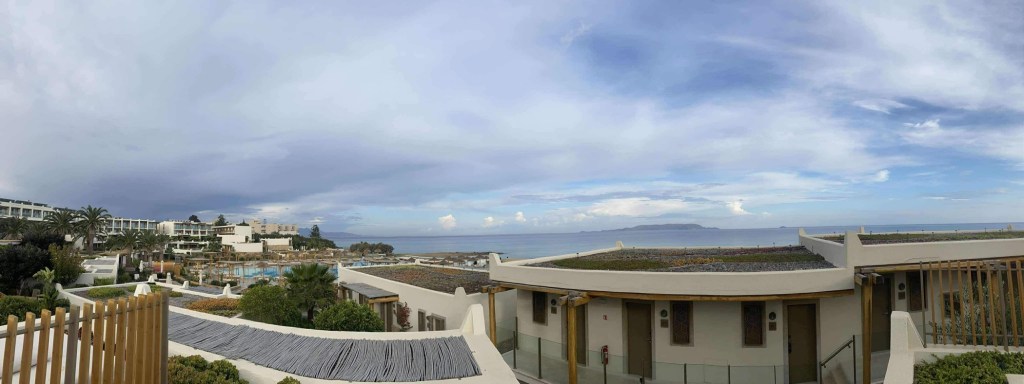
The kids had “2nd Fall Break” – a 4-day weekend in November. We grabbed some friends and hopped on a 3 hour flight from Frankfurt to Crete, Greece. It’s definitely the end of the tourist season. In fact, we were some of the last guests to leave our hotel, Mitsis Renela in Heraklion. They were shutting it down until March. We tried not to let the cooler weather drag us down. We at least saw some sunshine and a few brave souls swam in the Mediterranean Sea and the pools. Not me. Brrrrrr.
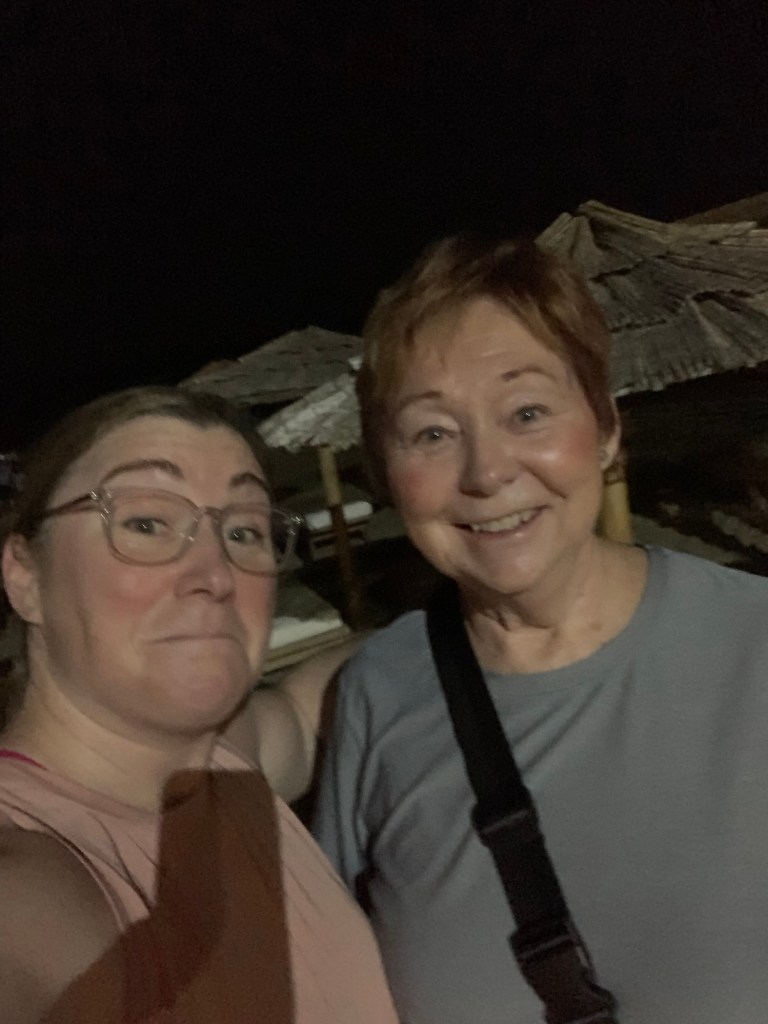
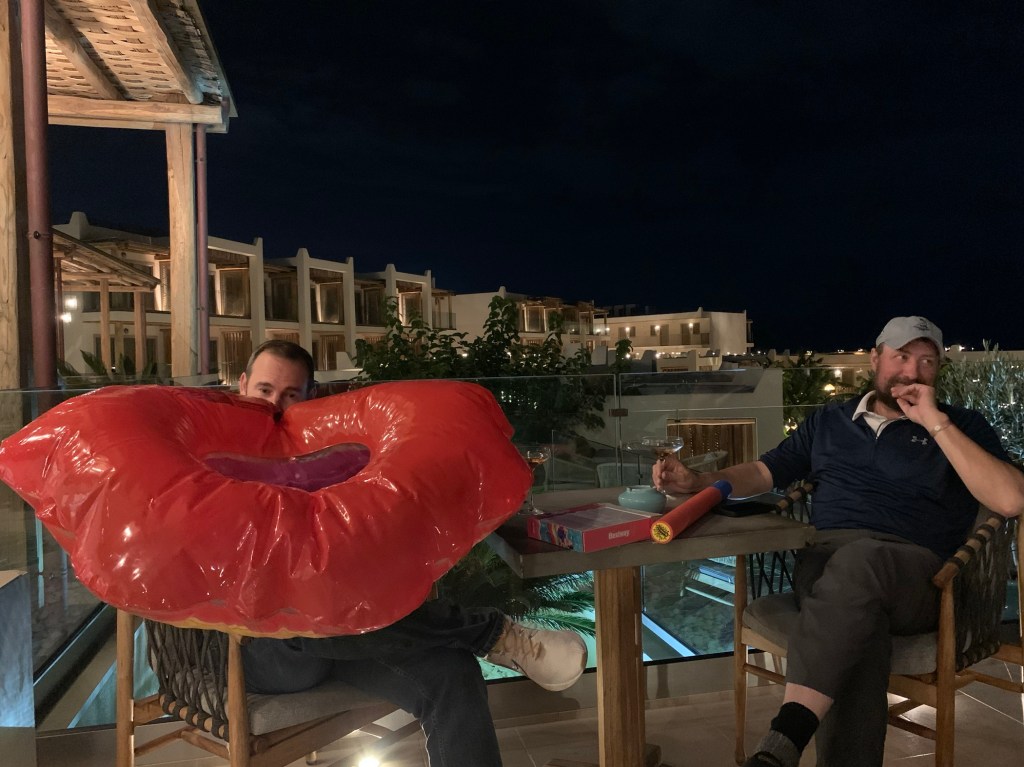
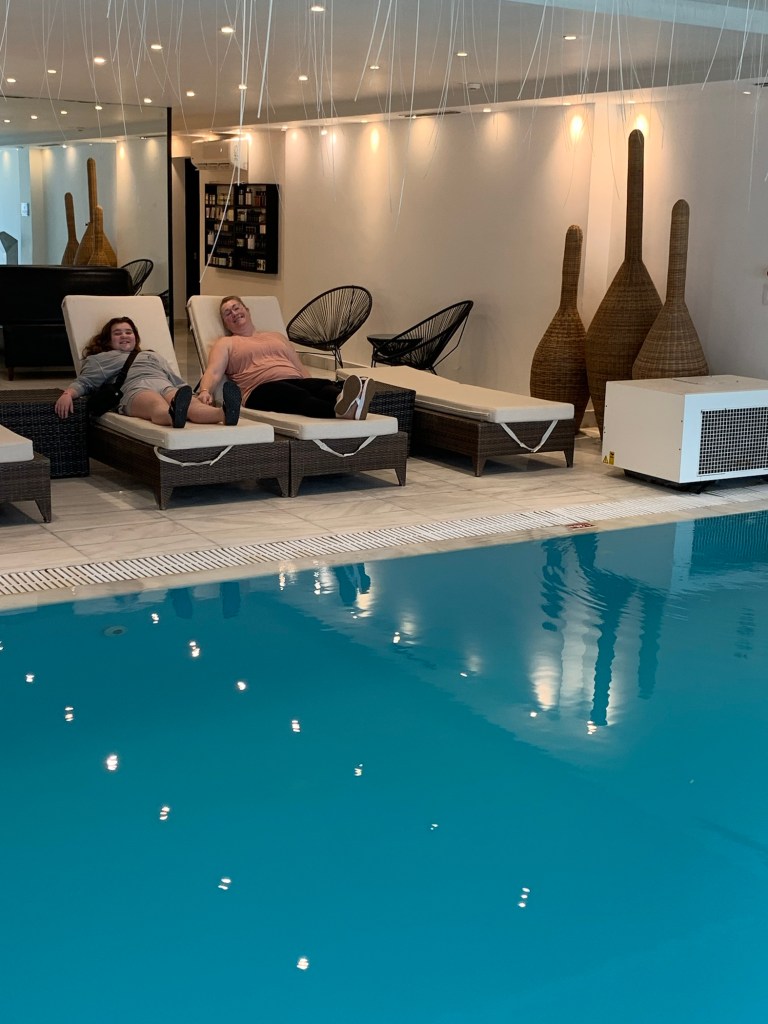
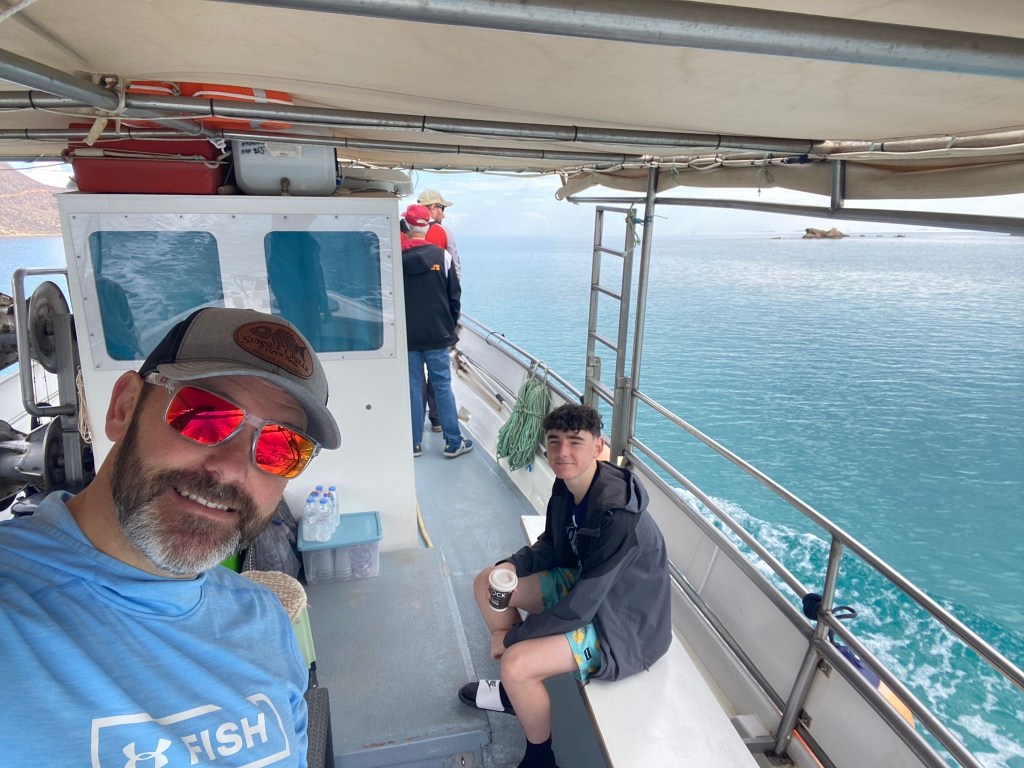
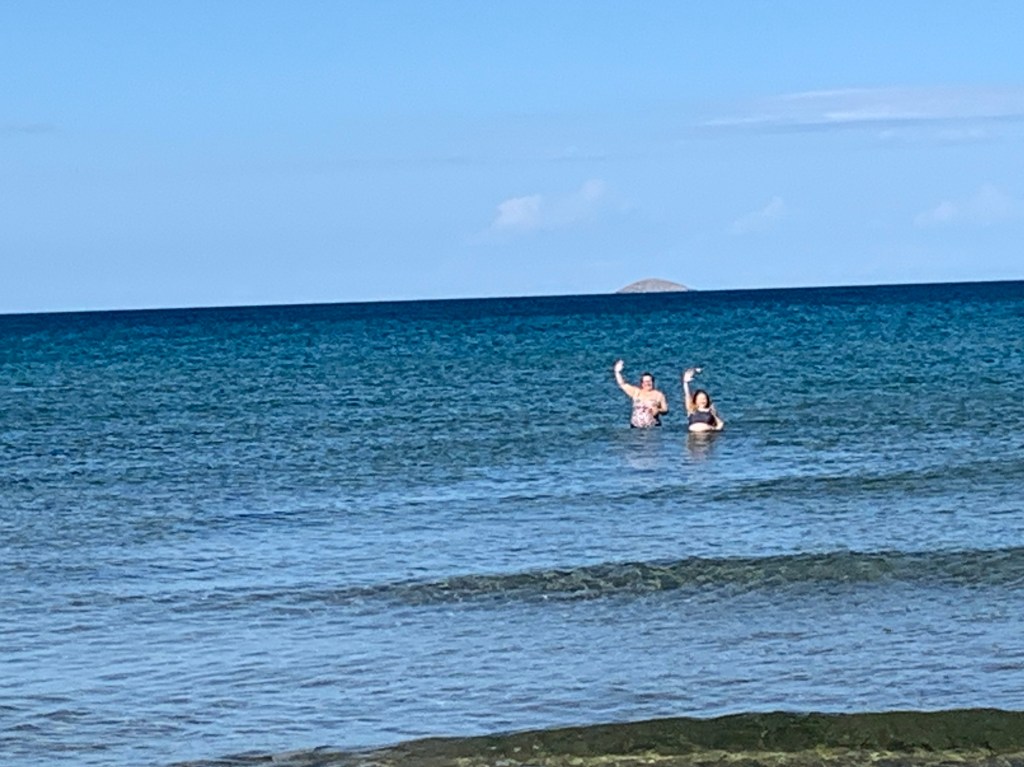
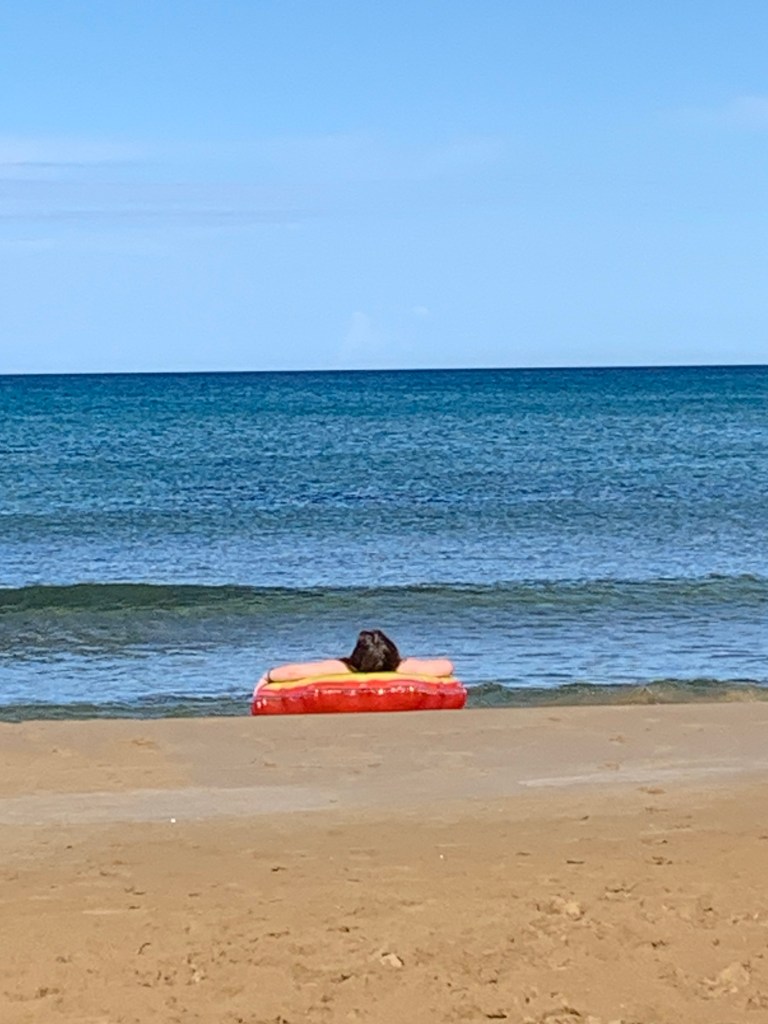
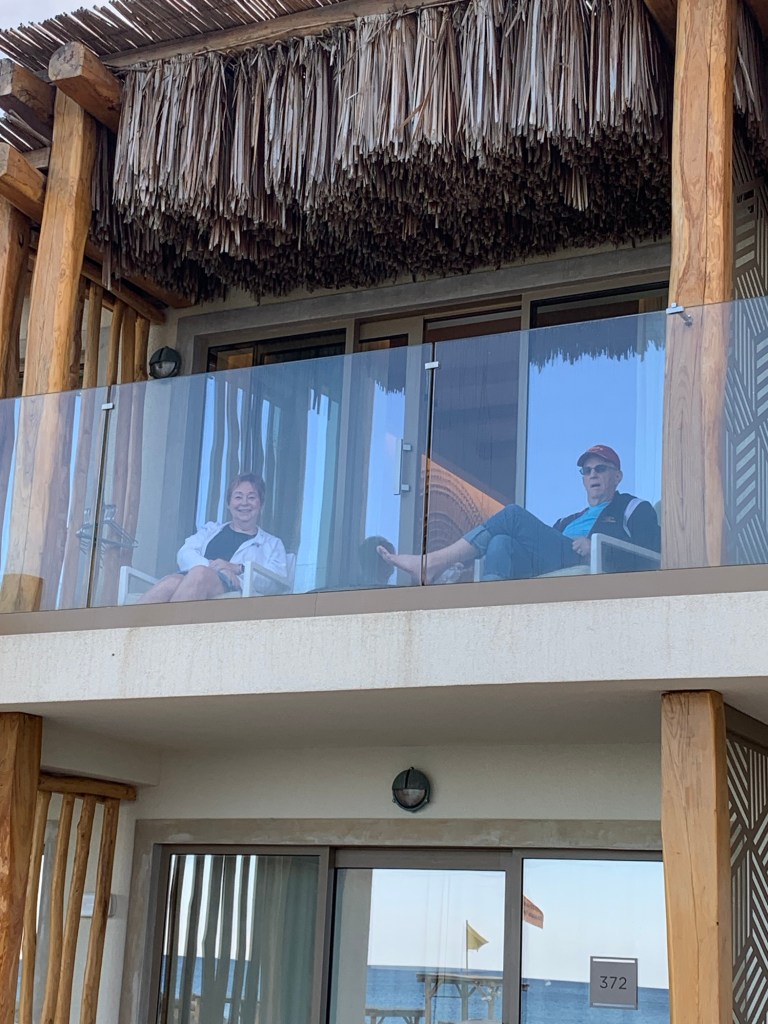
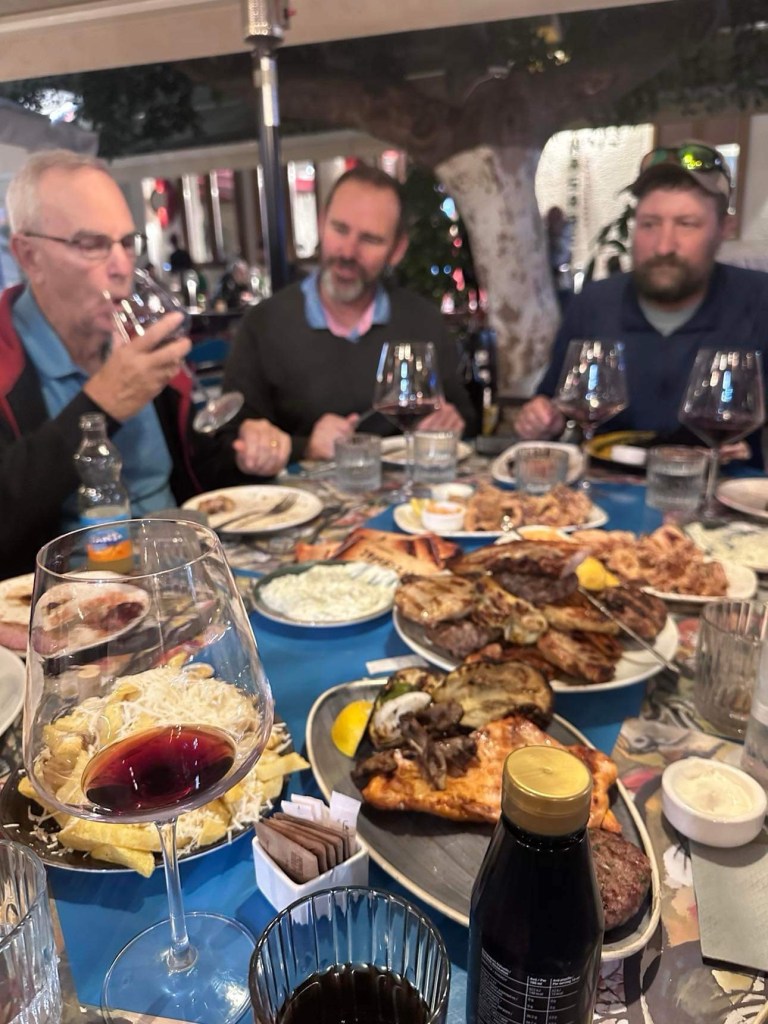
Wheels up!!We arrived after the sunset, but we still found the sea! Trust me when I say it is behind Memaw and I.“Hey dad, I’m going to need you to blow up this floatie….” #dadoftheyearOne of my favorite parts about arriving to our destination after dark is waking up, pushing back the curtains, and looking outside. This view did NOT disappoint!!On Friday morning the girls went to the spa. Lily is going to have to get a really good job when she grows up to afford her massage addiction.The boys went fishing. The water was like glass and the fish were biting like crazy! They probably caught 20 fish each. Some of the fish that they called Sunfish had actual fangs. They also caught some Pufferfish. I wish they had taken a video of those. They had a great day on the water.Deanna and Maggie weren’t going to let the cold water stop them from playing in the waves.Lily wasn’t a big fan of the cold water, but she wasn’t going to let dad’s hard work blowing up the floatie go to waste. She was in her happy place.No way in hell was I going to get in the water. I was perfectly happy staying dry, listening to the waves.Memaw and Papa had the perfect perch to watch our sand volleyball match from their balcony.Friday evening we ventured into downtown Heraklion to experience some local Greek cuisine at Antipodas. We might have ordered just a teensy bit too much food, but it was all SO GOOD!
On Saturday we piled into a van with our tour guide, Costus, and explored the island. We headed inland and started climbing. Our first stop was the Aposelemis reservoir, which was at pretty low levels. The island definitely needs a good snowfall this winter to replenish it. I was surprised to see an entire village that was deserted when the dam was built. The residents were treated extremely well by the government to relocate.
Unfortunately the Palace of Knosos (the most important archaeological site on the island) was closed. Bummer.
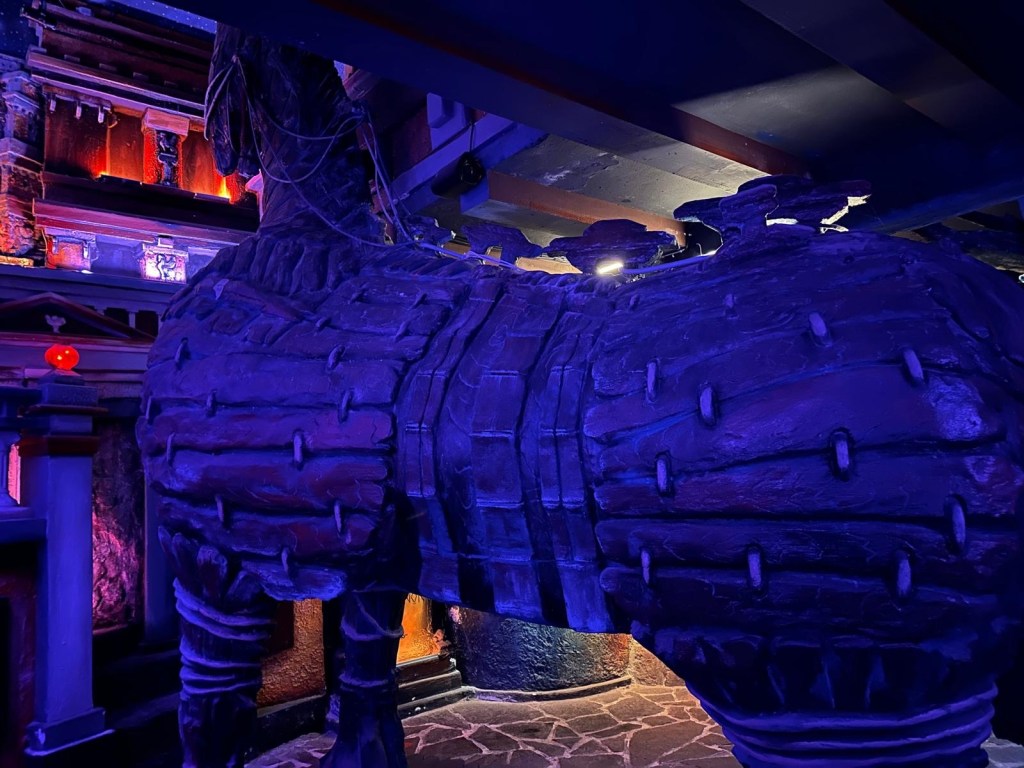
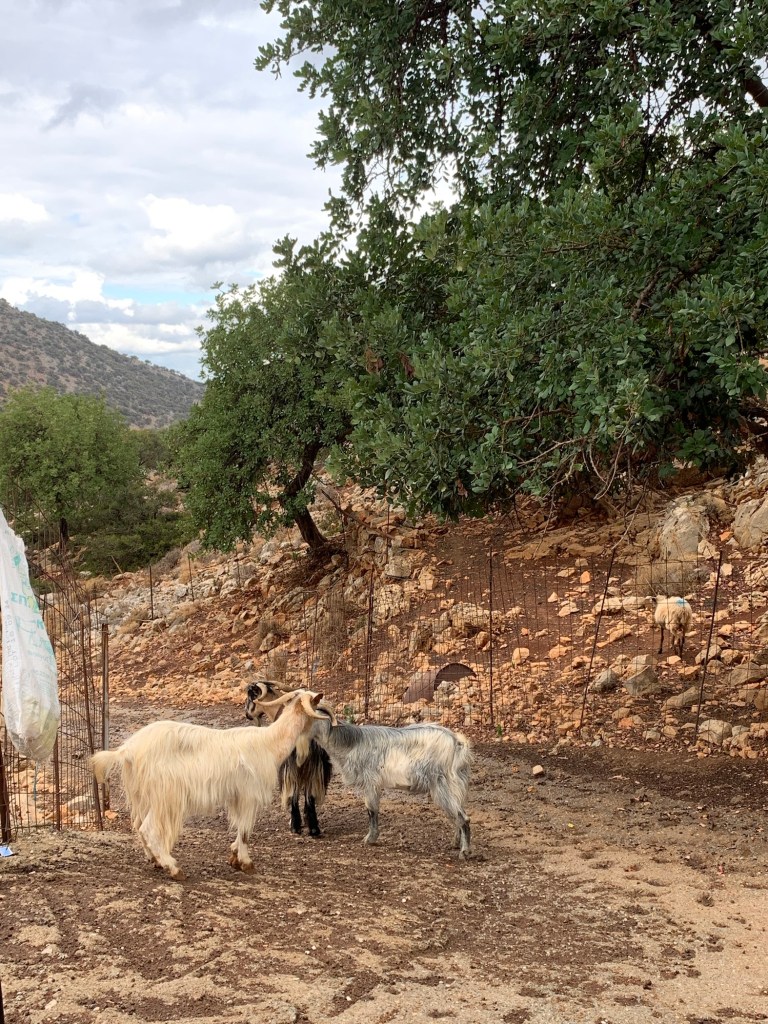
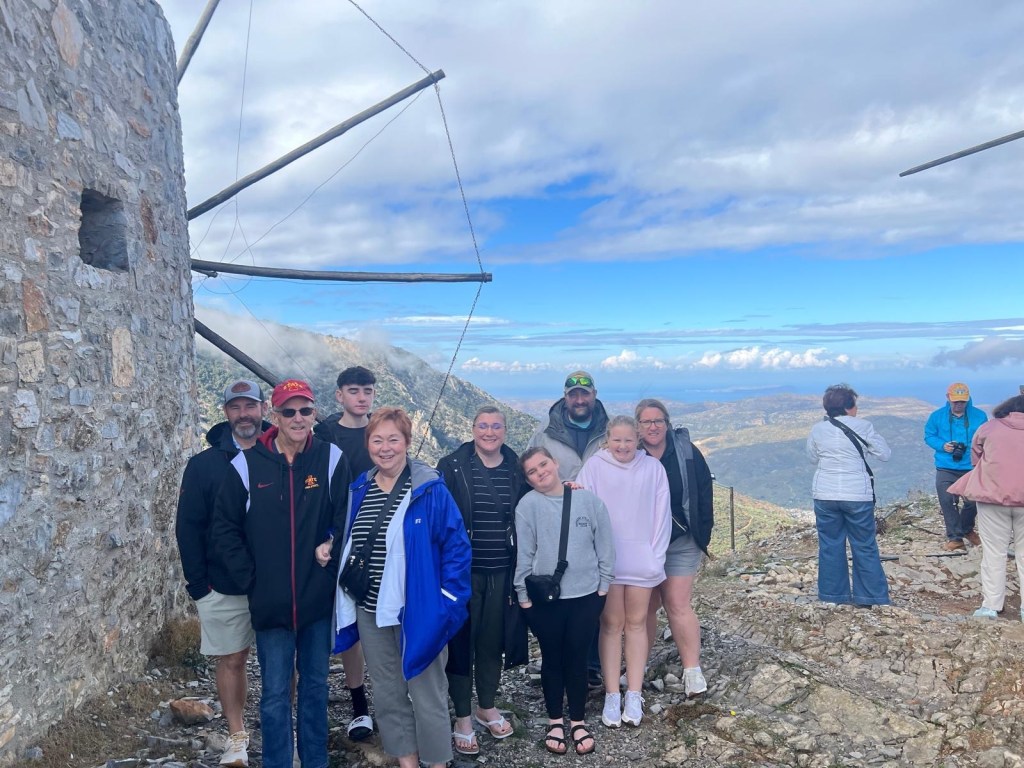
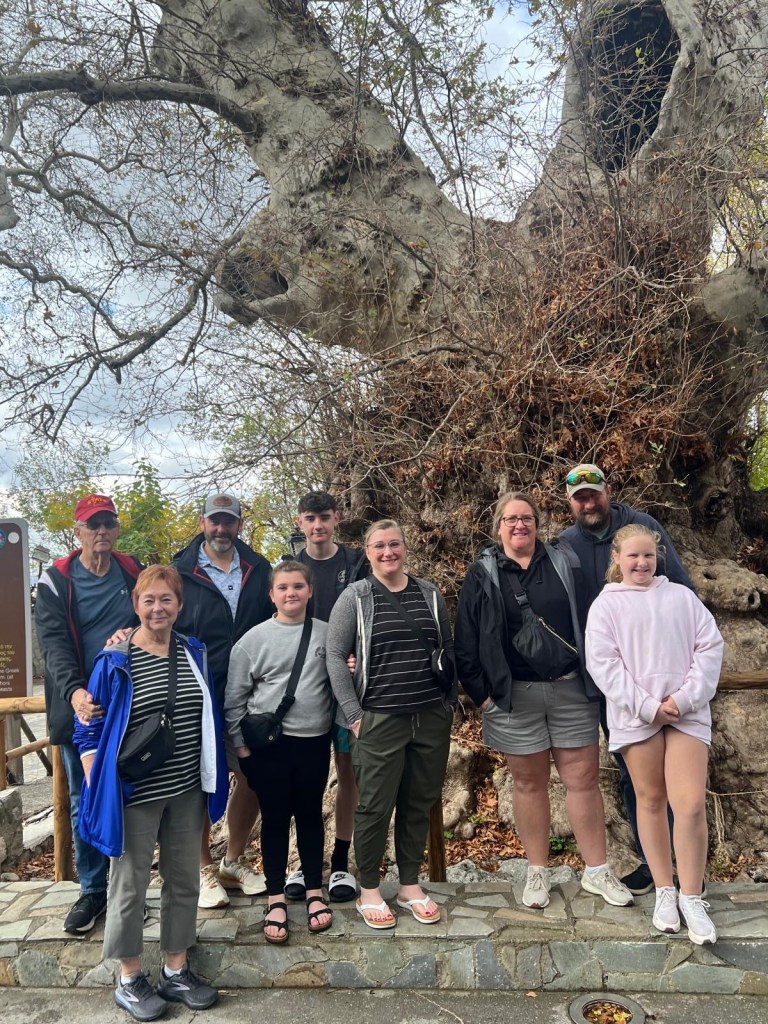
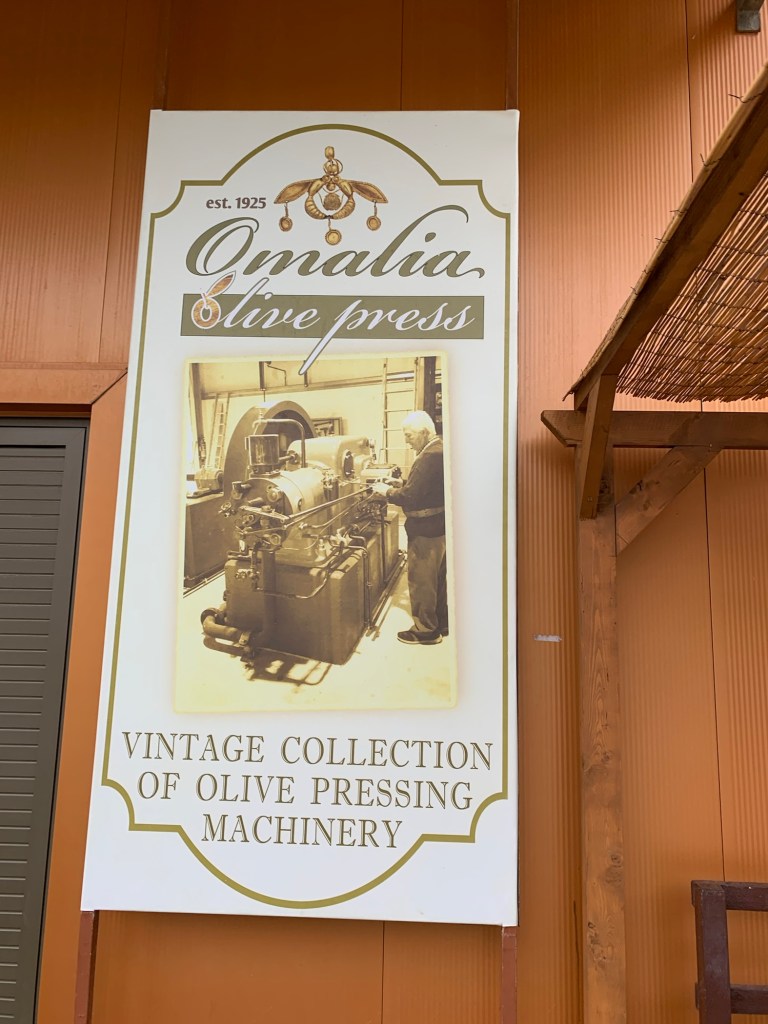
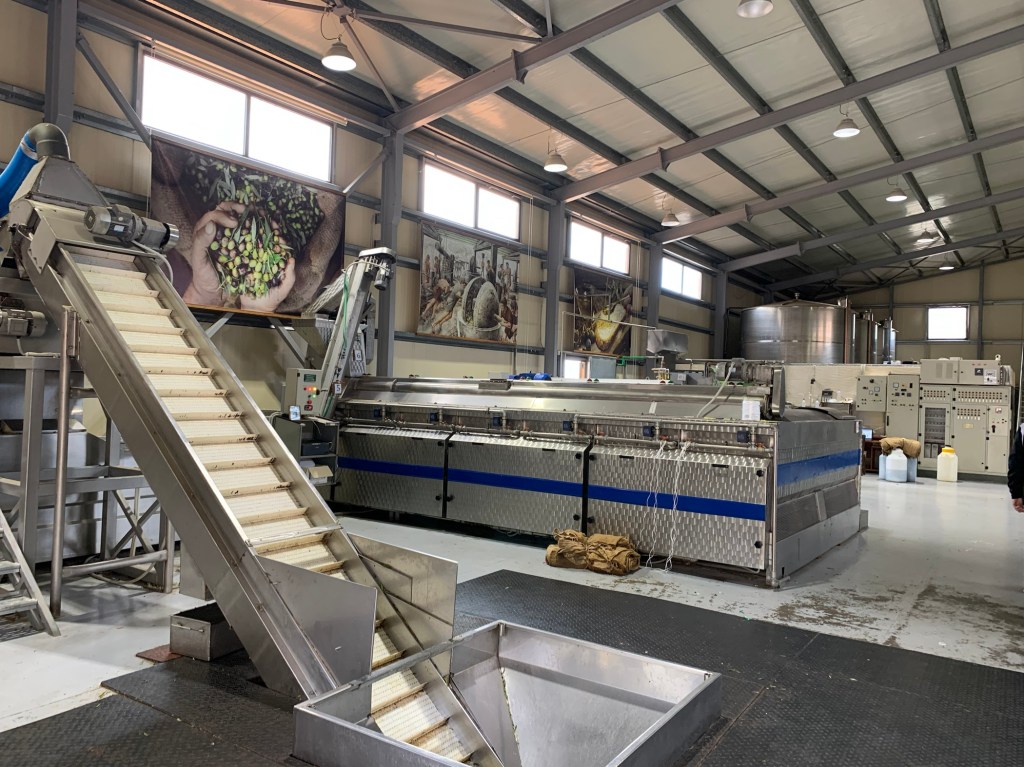
The first stop was the Greek mythology thematic park. I don’t know much Greek mythology, so I am probably the worst person to comment on this. But I can say the work that went into this particular park was pretty incredible. The photo above is a replica of the Trojan horse. Unfortunately the cave where Zeus was allegedly born was closed. There were goats everywhere. They were not wild – they all had owners, but they all ran free. there were also so many cats running around. Lasithi Plateau Windmills. The view from up here was beautiful.This is a really old tree. The sign said it was a few centuries old. Our tour guide said it was 2,400 years old. The world may never know…Panagia Kera monastery. Well, it is now a convent, not a monastery, but in any case, it was a peaceful place. Costus said that in 5 years of leading tour guides he has only seen 3 nuns. We were not allowed to take pictures inside the church, but there were chains hanging on the wall if you wanted to add a little weight to your prayers. I knew that Greece was one of the top producers of olive oil, but until you see it, it is hard to imagine. There are olive trees EVERYWHERE. There are about 30 million olive trees on the island of Crete. If there was a patch of dirt that could support a tree, one was growing there. So a stop at an olive oil factory (press) was a must.
Costus said there are 3 things to look for to select a high quality bottle of olive oil: first press, cold press, and extra virgin. Anything beyond that uses chemicals to squeeze a little more juice out of the olive. Also fun fact – the olives that are used to make olive oil are tiny and are not the olives that we usually see on a charcuterie board. Some are black (ripe), some are green (not ripe), but they all come from the same tree. The color variation is caused by the location of the olive on each tree, as compared to the sun.
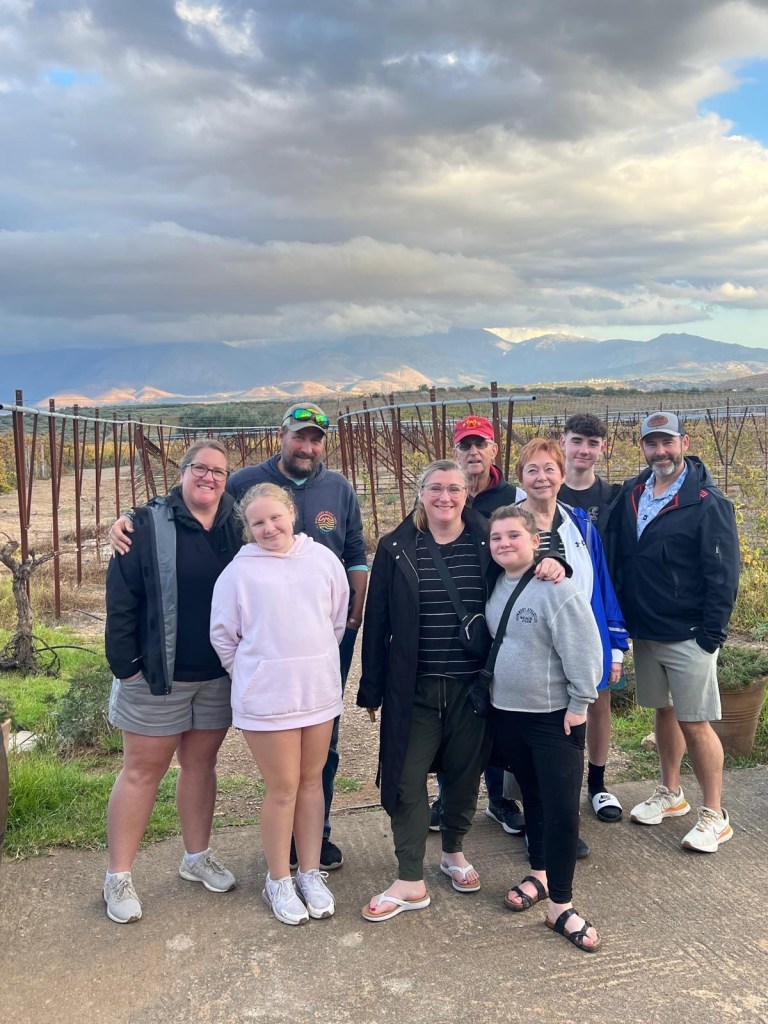
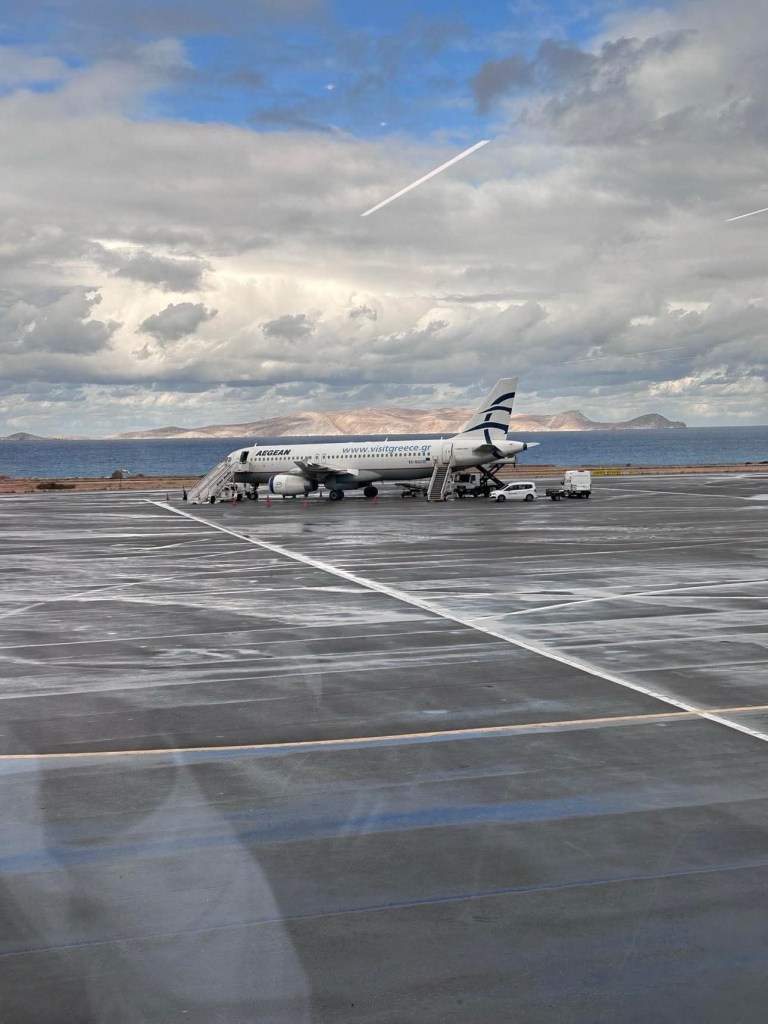
The farmer harvests his olives by hand and brings them to the press. The factory usually keeps about 10-20% of the oil from each farmer’s olives, which they package and sell. In addition, the factory sells the “waste” from the first press to companies that are able to squeeze just a little more oil out (see the chemical comment above).After taking a shot of the fresh oil (using a technique similar to wine tasting), we shipped a couple bottles to Germany. Yum!We were all pretty hungry and thirsty, and the Lyrarakis winery saved the day! We tried 5 different wines and ate a light lunch, which of course included olives and olive oil. I mean, this airport runway…..
I am glad I saw Crete, but we kind of wish we would have gone to Athens, at least at this time of year. 4 days was definitely enough, especially since the weather was cool and rainy. But, the time spent with friends and family was perfect. We all needed a little recharge and we got it!






 Shearer Adventure